Recycling and Sustainability at Landscaping West Ham
 At Landscaping West Ham, sustainability is not treated as an add-on; it is built into how we plan, carry out, and close every project. Our approach to landscaping recycling starts with the simple idea that materials should stay in use for as long as possible, and that unavoidable waste should be sorted with care. We aim for a minimum 90% recycling and recovery target across suitable green-waste and inert-material streams, helping reduce pressure on landfill while supporting a more circular local economy. From soil and timber to packaging and plant offcuts, our teams look for the cleanest route for reuse, segregation, and responsible processing.
In practice, that means separating waste at source and making sure each load is directed to the most appropriate facility. Many boroughs in and around West Ham have a clear, practical approach to waste separation, encouraging residents and contractors alike to keep green waste, rubble, metals, plastics, and general waste apart. We follow that same principle on site, using labelled containers and planned collection runs so recyclable material is not contaminated. This is especially important in landscaping work, where mixed loads can quickly reduce recovery rates if branches, compostable material, and construction remnants are not managed correctly.
Our recycling process also includes careful handling of reusable materials. Where possible, clean timber, stone, edging pieces, and surplus aggregates are sorted for reuse in other projects or sent onward to specialist recyclers. Landscaping West Ham also prioritises responsible disposal of treated wood, soil with restricted contaminants, and packaging from plants, mulches, and hardscaping supplies. By keeping recyclable streams clean, we increase the chance that materials can be processed locally, cutting transport distances and supporting lower-carbon outcomes across every phase of the job.
 A key part of our sustainability commitment is working with local transfer stations and licensed waste facilities that can handle garden waste, inert waste, and mixed recyclable materials efficiently. Using nearby transfer stations helps reduce vehicle mileage and keeps the disposal chain shorter and easier to audit. For landscaping projects that generate large volumes of soil, turf, branches, or broken paving, this local network is essential. It allows us to direct materials to the right processors, whether they are producing mulch, screening topsoil, or recovering aggregates for future use.
We also pay close attention to the way different boroughs in the region manage their waste systems. Some local authorities place strong emphasis on separate collection of food, garden, and dry recyclables, while others promote community recycling centres for bulky items and green waste. Our recycling landscape services are designed to align with these patterns. By understanding local expectations for sorting and disposal, we can support better recovery rates and avoid the common issue of recyclable material being downgraded because it was mixed too early in the process.
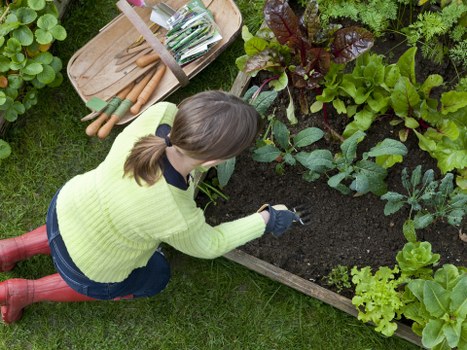 Charitable partnerships form another important strand of our sustainability work. Items that are still in usable condition, such as surplus pots, planters, timber offcuts, bricks, paving samples, and some plant stock, may be diverted to local charities, community gardens, training projects, or social enterprises. This helps extend the life of materials that would otherwise be discarded and gives them a second purpose in places where they can make a real difference. Our eco-friendly landscaping approach is therefore not only about reducing waste, but also about directing useful resources to local causes that benefit from them.
We are especially mindful of the environmental impact of transport, which is why our fleet includes low-carbon vans chosen for better fuel efficiency and reduced emissions. These vehicles support daily site visits, material runs, and waste transfers while helping us cut the carbon footprint associated with regular landscaping operations. For jobs that require repeated visits, efficient route planning and load optimisation are just as important as the vehicle itself. By combining smarter logistics with cleaner vans, we reduce unnecessary mileage and keep our overall emissions lower.
Another important part of our recycling and sustainability strategy is educating our teams through everyday routines rather than formal guidance documents alone. Staff are encouraged to identify what can be reused, what can be recycled, and what must be sent to specialist disposal. This practical system supports cleaner separation on site and improves the quality of each waste stream. In a field where soil, stone, clippings, plastic wraps, and broken fittings may all arise in one day, effective sorting can make a significant difference to how much material is recovered.
We also consider the seasonal nature of landscaping waste. After heavy pruning, turf replacement, or planting work, green waste can increase sharply, and this is when careful handling matters most. Organic material is kept distinct from inert waste so it can be composted, mulched, or otherwise recovered appropriately. Where local borough systems allow, we mirror the same separation standards used in household recycling collections, supporting consistency between commercial work and community practice. This alignment helps reinforce a cleaner, more sustainable approach to waste across the wider West Ham area.
 Sustainability at Landscaping West Ham also means making thoughtful decisions before waste is created. We specify durable materials where appropriate, plan accurately to minimise over-ordering, and aim to use suppliers with responsible packaging practices. These choices help reduce the amount of waste that enters the recycling stream in the first place. While recycling remains important, prevention and reduction are equally valuable parts of an effective environmental strategy.
Our partnerships with charities and community organisations are built on practicality and shared benefit. When a project leaves behind items that are still useful, we look for responsible routes that support local groups rather than sending them for disposal. This may include donating usable landscape materials to volunteer-led spaces or passing on surplus items for repair, reuse, or education projects. Such actions keep resources circulating for longer and help reinforce a local economy that values restoration over replacement.
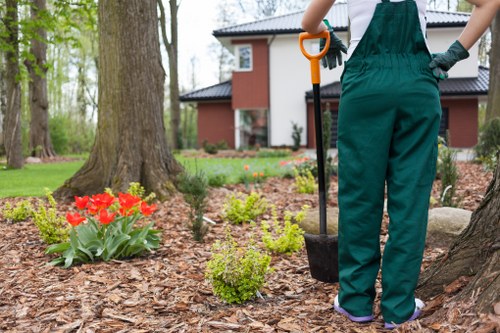 By combining high recycling targets, local transfer station use, charity partnerships, and low-carbon vans, we are working toward a more responsible model of landscaping recycling. The aim is straightforward: reduce waste, lower emissions, and ensure that as much material as possible is recovered in a useful form. In West Ham and the surrounding boroughs, where waste separation is increasingly organised and resource-conscious, our approach supports the broader move toward cleaner, more efficient, and more sustainable landscaping practices.